
Read in Ukrainian
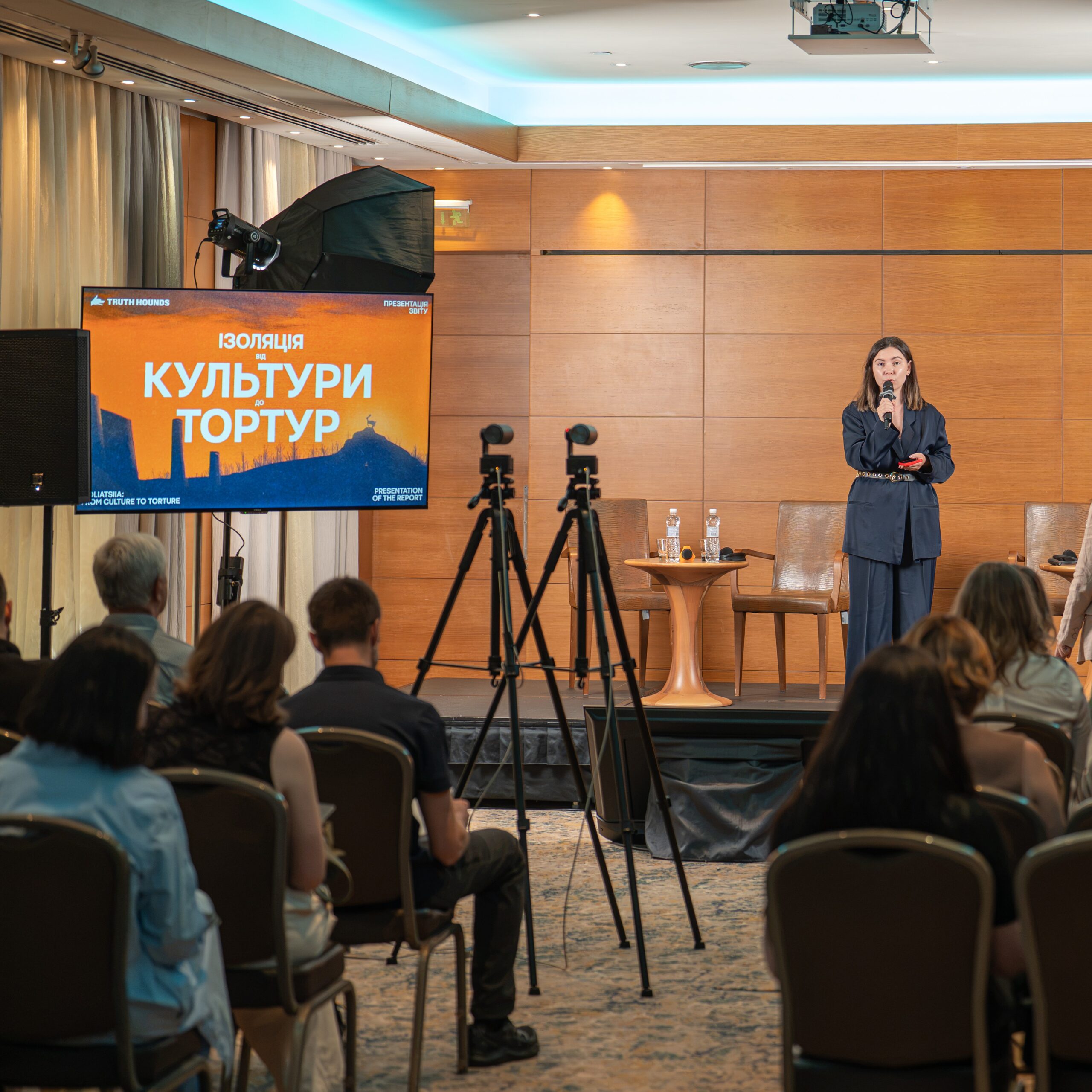
On 26 June, Truth Hounds presented the key findings of our new report, “Izoliatsiia: From Culture to Torture”, which examines the establishment and operation of the illegal detention facility known as “Izoliatsiia” in Donetsk. The event was moderated by Zera Kozlyieva, Legal Director at Truth Hounds and co-author of the report.
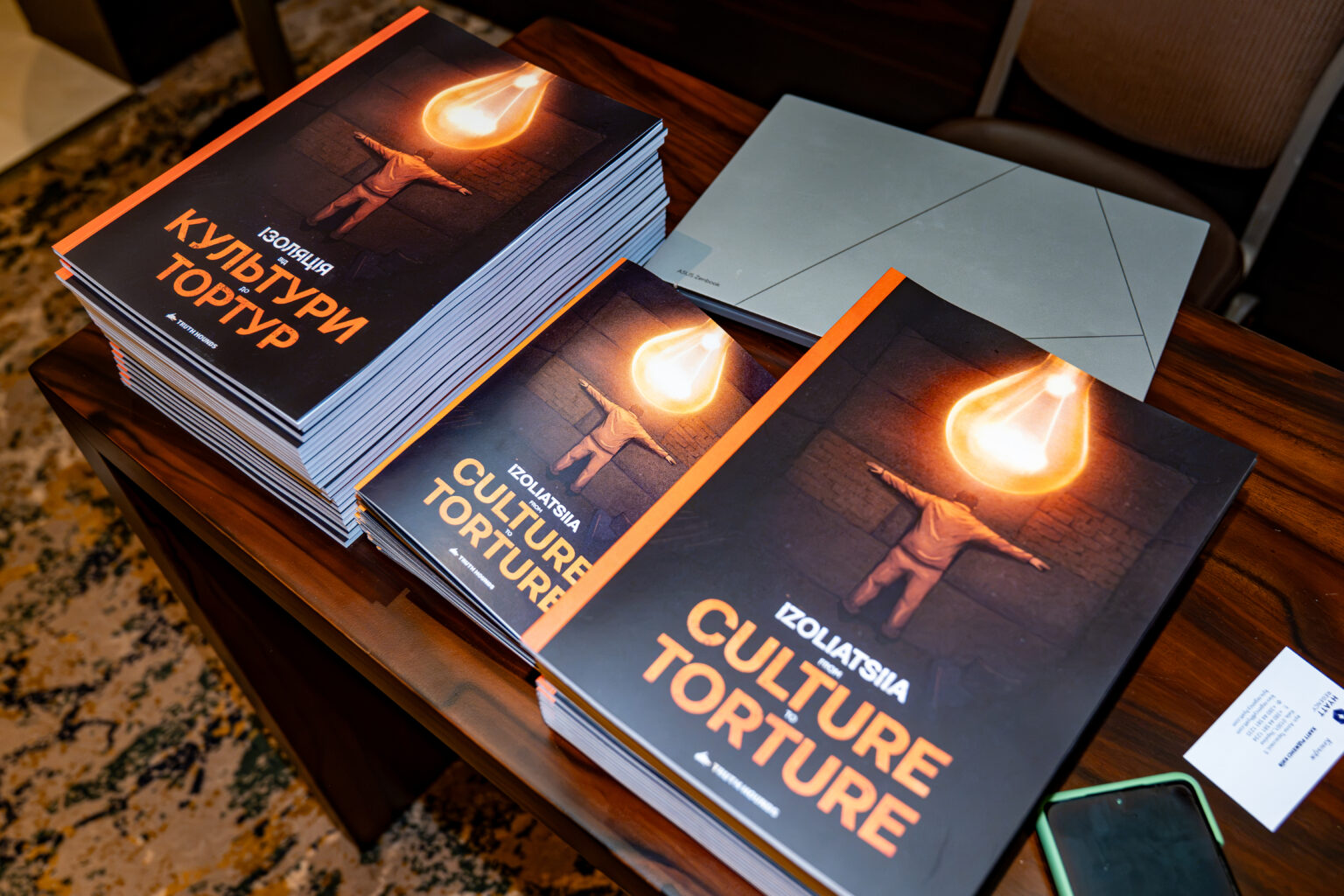
Izoliatsiia: from Сulture to Torture
Drawing on 30 survivor testimonies, interviews with institutional representatives, previous human rights reporting, documentary evidence, and open-source investigations, the report finds reasonable grounds to conclude that the violence committed at “Izoliatsiia” formed part of a systematic attack against a civilian population.
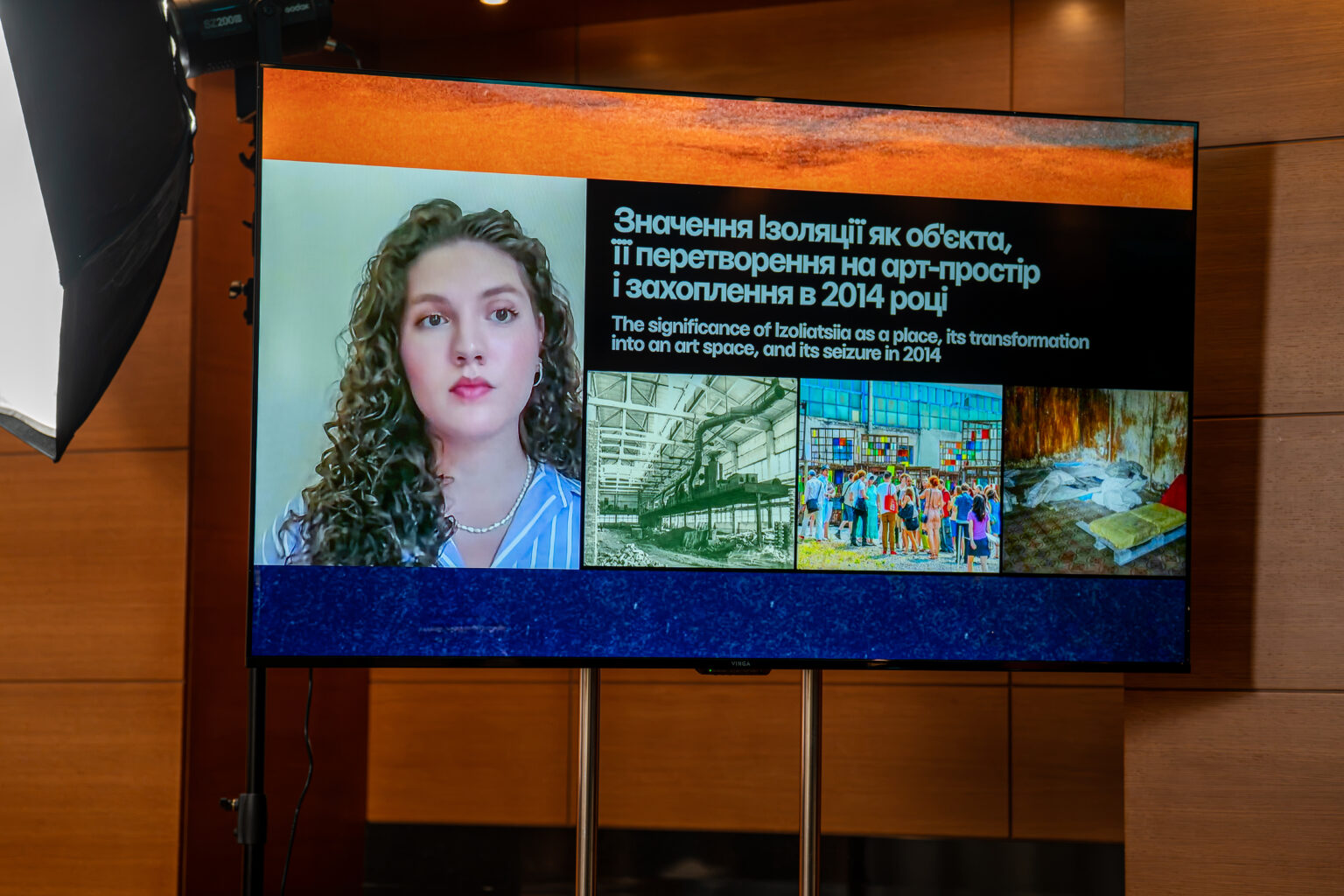
Oksana Sarzhevska-Kravchenko, Director of the Izolyatsia Foundation, spoke about the significance of Izoliatsiia as a place, its transformation into an art space, and its seizure in 2014.
The uniqueness of the Izolyatsia Foundation in Donetsk was not simply in presenting performances or exhibitions. One of its core ideas was to create an art space across a large industrial site that would bring together site-specific projects created by artists in dialogue with the region and its history. Many renowned Ukrainian and international artists contributed to this vision. Following the occupation, Izoliatsiia was transformed into a place where people are literally isolated from all their rights and freedoms. A place of freedom and creativity became a place of torture.
— Oksana Sarzhevska-Kravchenko, Director of the Izolyatsia Foundation.
Polina Overchenko, Legal Counsel at Truth Hounds and co-author of the report, presented its key findings.
While working on the report, we identified four main categories of violations that consistently appeared in survivor testimonies, regardless of when they were detained in “Izoliatsiia”. These are unlawful imprisonment, enforced disappearances, torture, and sexual violence.
— Polina Overchenko, Legal Counsel at Truth Hounds.
Polina Overchenko also explained the contextual elements examined in the report. A key part of the analysis was determining whether these acts were committed as part of a widespread or systematic attack directed against a civilian population and whether such an attack was carried out pursuant to a state or organisational policy.
Based on survivor testimonies, the results of our OSINT investigation, and the chain of command established through that investigation, we concluded that there are reasonable grounds to believe that the crimes committed at “Izoliatsiia” may qualify as crimes against humanity.
Read in Ukrainian
We would like to express our sincere gratitude to:
- The Howard G. Buffett Foundation for supporting the release of the report.
- Our colleagues at Project Expedite Justice, with whom we collaborated in preparing the report.
- Media Initiative for Human Rights for sharing a number of survivor and witness testimonies with us.
- Lyubov Mykhailova, Mykhailo Hlubokyi, and the Izolyatsia Foundation for their invaluable contribution in preserving and sharing the history of the art platform and its lost artworks.
- Ihor Karamyshev, Head of the Unit at the Main Investigation Department of the National Police of Ukraine, for his contribution regarding the progress of investigations into those allegedly responsible.
- Maksym Filipenko for creating a series of illustrations for the report.
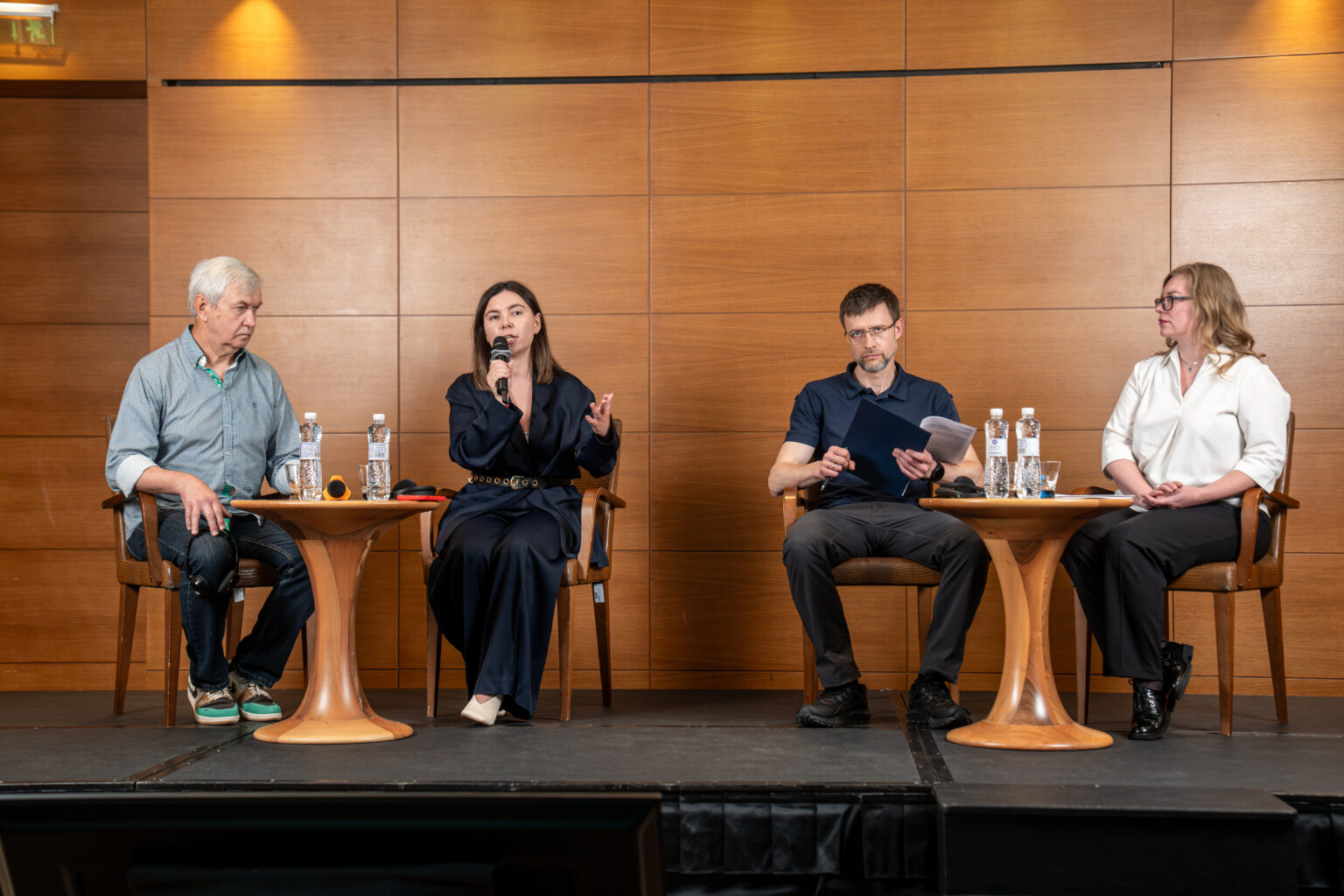
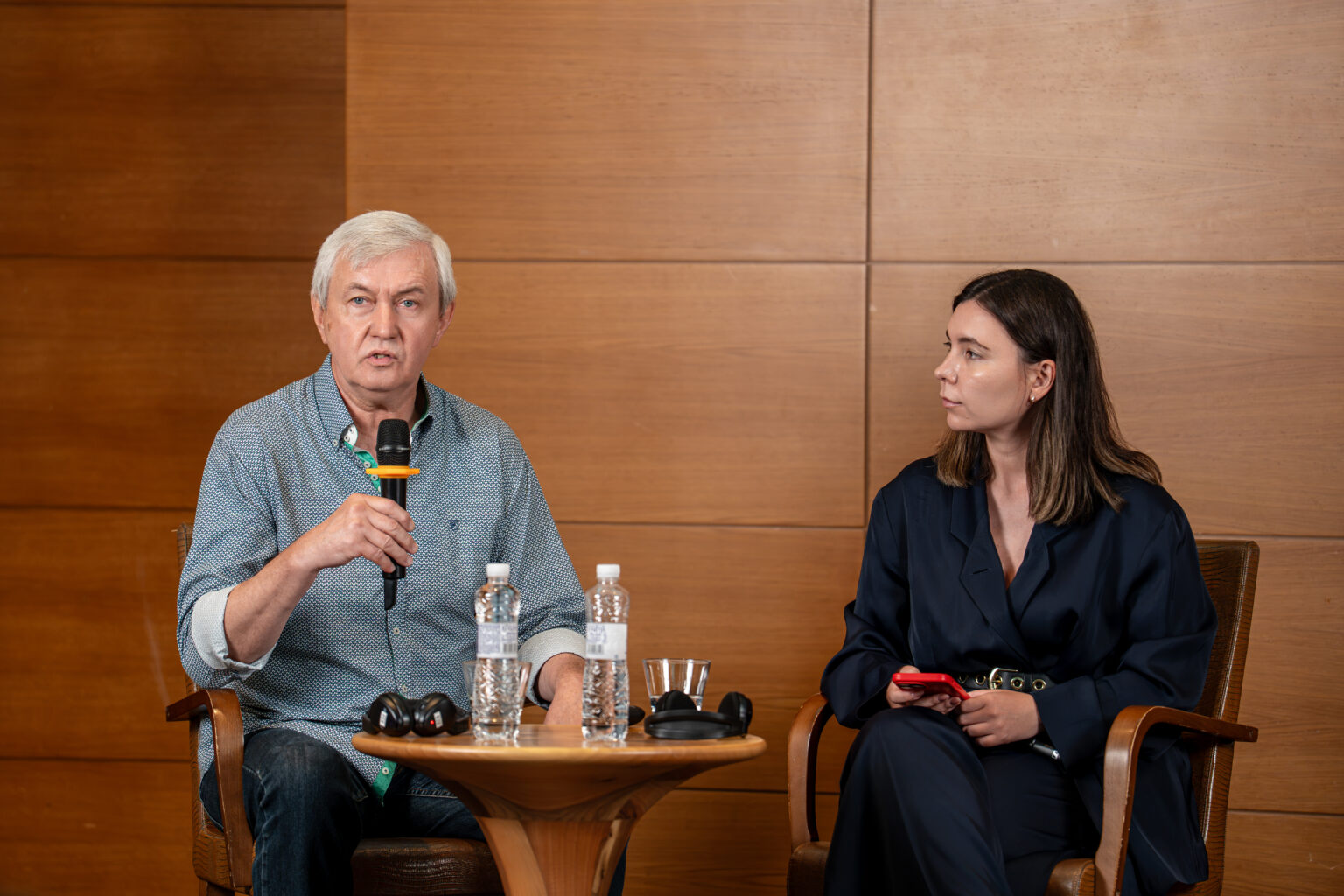
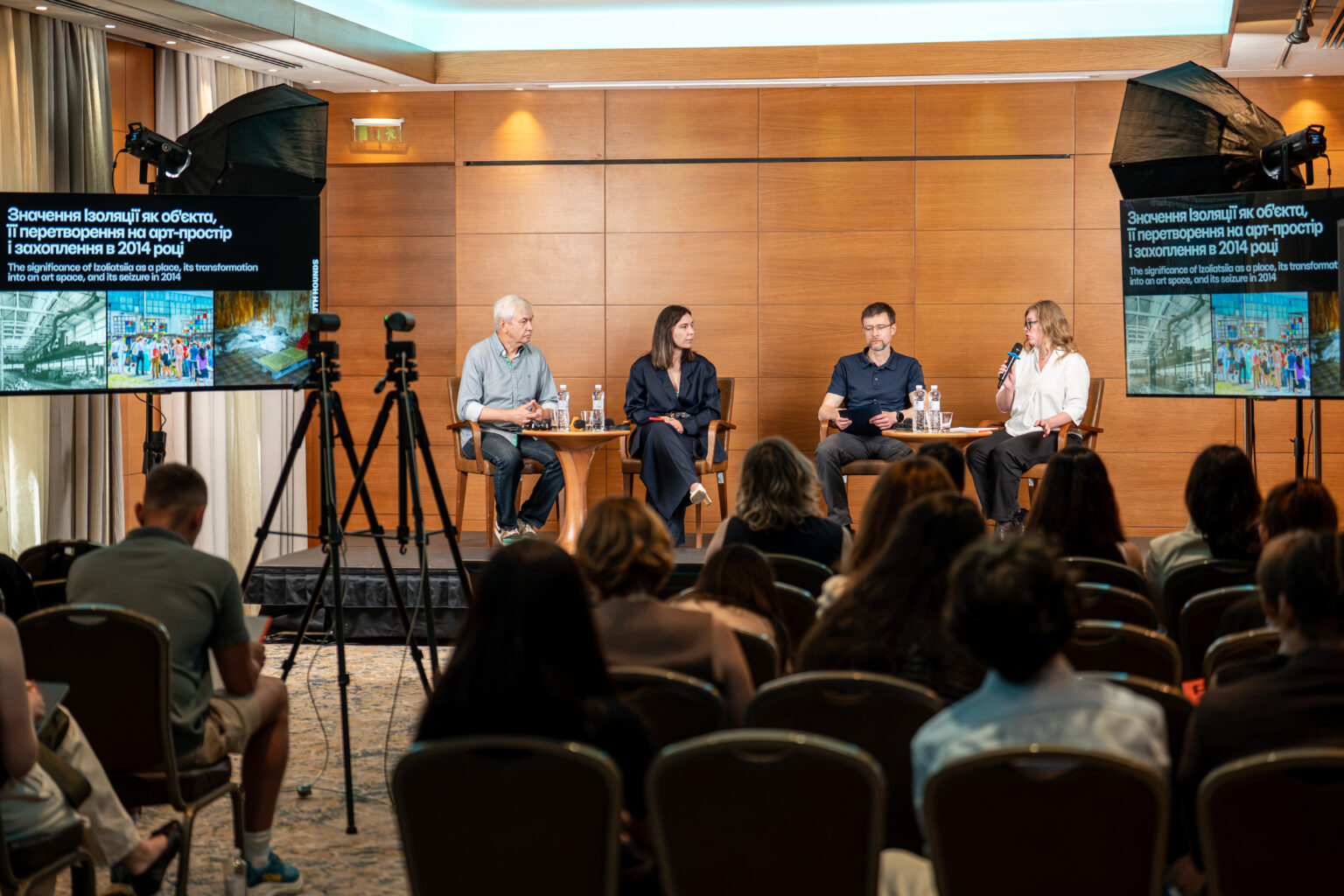
Yurii Rud, Head of the Department for Combating Crimes Committed in the Context of Armed Conflict at the Office of the Prosecutor General of Ukraine, spoke about the national investigations into crimes committed at “Izoliatsiia”. These include investigations conducted by the investigators of the Security Service of Ukraine (both the Central Office and the Donetsk regional branch), as well as investigators of the Donetsk Regional Police and the Main Investigation Department of the National Police of Ukraine.
The investigation is focused on two main areas. First, the unlawful seizure of the property complex itself and the assets located there. Second, and on a much larger scale, the commission of war crimes related to unlawful deprivation of liberty, torture, sexual violence, and inhuman treatment of individuals who were unlawfully detained there.
— Yurii Rud, Head of the Department for Combating Crimes Committed in the Context of Armed Conflict, Office of the Prosecutor General of Ukraine
A survivor of “Izoliatsiia” shared his personal experience and reflected on what accountability means for those who have lived through these crimes. We also screened a pre-recorded video message from Dmytro Potiekhin, a former detainee of “Izoliatsiia” who is now serving in the Armed Forces of Ukraine. He spent two months in detention at the facility.
We would like to express our sincere gratitude to:
- The Howard G. Buffett Foundation for supporting the release of the report.
- Our colleagues at Project Expedite Justice, with whom we collaborated in preparing the report.
- Media Initiative for Human Rights for sharing a number of survivor and witness testimonies with us.
- Lyubov Mykhailova, Mykhailo Hlubokyi, and the Izolyatsia Foundation for their invaluable contribution in preserving and sharing the history of the art platform and its lost artworks.
- Ihor Karamyshev, Head of the Unit at the Main Investigation Department of the National Police of Ukraine, for his contribution regarding the progress of investigations into those allegedly responsible.
- Maksym Filipenko for creating a series of illustrations for the report.
Above all, we are deeply grateful to the survivors and witnesses for their strength and resilience in sharing their experiences. Their testimonies are essential to restoring justice and ensuring that those responsible are held accountable.